
Regular physical activity, such as walking, swimming, running, resistance training, and cycling, should be incorporated into your daily routine to promote cardiovascular health and enhanced mobility:
The minimum recommendation for exercise is 150 minutes per week of moderate to intense activity.
Dr. Wright encourages patients to try to achieve at least 300 minutes for additive benefits.


Longevity & Mortality
Cardiovascular Health
Disease Prevention
-
- Type 2 Diabetes: Improves insulin sensitivity and metabolic health.
- Cancer: Lowers the risk of at least eight types of cancer, including bladder, breast, and colon cancers.
- Stroke: Enhances blood flow and vascular health.
Mental & Brain Health
-
- Immediate Mood Boost: A single session of moderate-to-vigorous activity can reduce short-term feelings of anxiety and improve sleep quality.
- Cognitive Function: Long-term activity keeps thinking, learning, and judgment skills sharp as you age and reduces the risk of dementia and Alzheimer’s.

- Example: Brisk walking, light cycling, water aerobics.
- Effort Level: Can talk, but not sing.
- Efficiency: Highly effective for metabolic health and fat loss.
- Time Equivalence: 300 min/week is the “sweet spot” for max benefits.
- Example: Running, swimming laps, fast cycling, HIIT.
- Effort Level: Can only say a few words without pausing for breath.
- Efficiency: Up to 3x more efficientat boosting peak aerobic fitness than moderate activity.
- Time Equivalence: 150 min/week provides similar mortality benefits to 300 min of moderate activity.

-
- Reduced Anxiety: Lowered stress levels.
- Improved Sleep: Faster “sleep onset” and more time in deep sleep.
- Lower Blood Pressure: A temporary drop in blood pressure that can last for hours.
Dr. Wright also encourages nurturing relationships and staying socially active, as positive connections can boost emotional health and resilience. By following these simple steps, you can build a strong foundation for lasting wellness and longevity.
Many patients enquire about the potential benefits of supplements. These are supplements that Dr. Wright takes that have significant scientific support:
Omega 3 Fish Oil Capsules
(Recommended brand: Viva – 2/day)
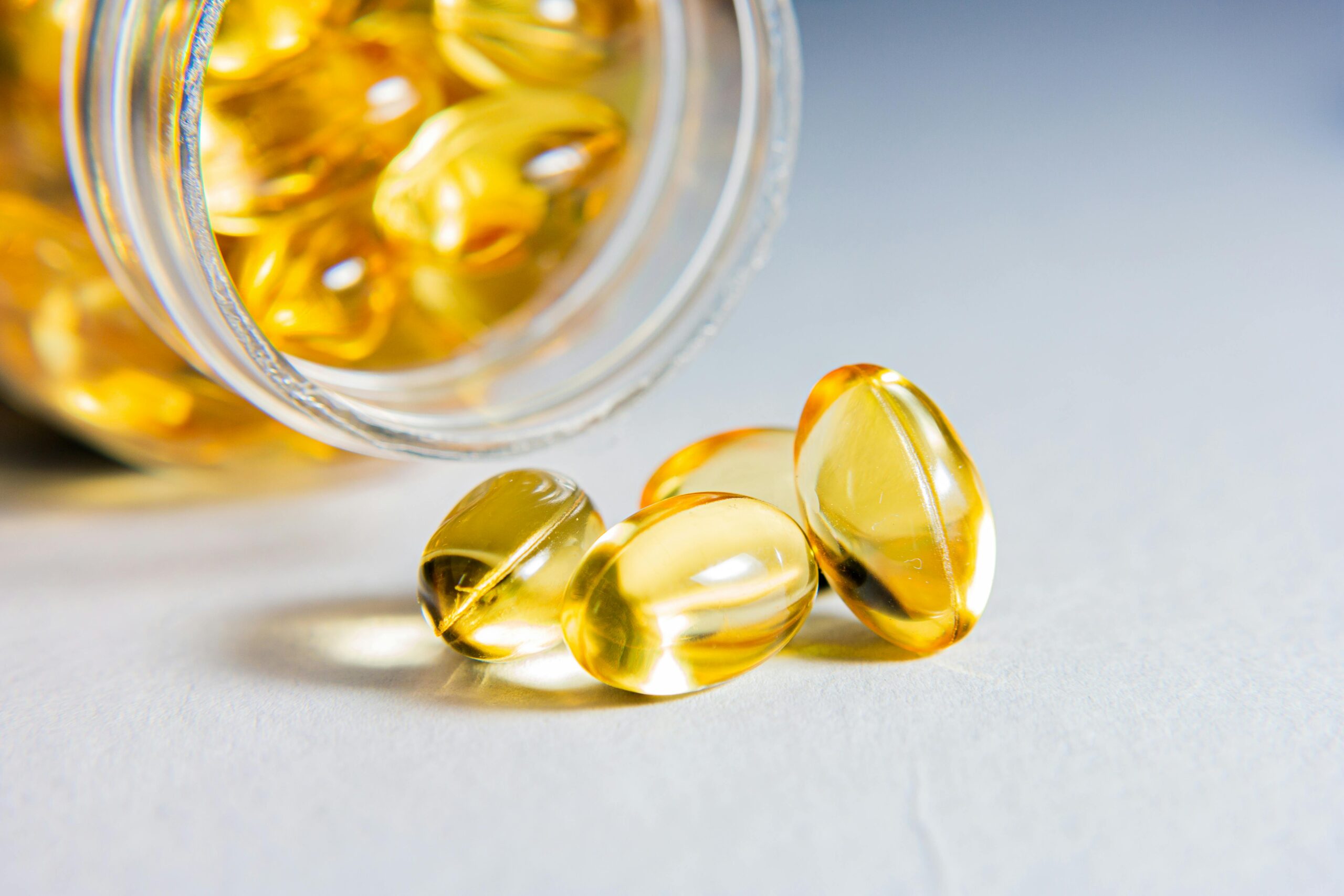
Omega-3 fish oil, primarily containing the long-chain fatty acids EPA (eicosapentaenoic acid) and DHA (docosahexaenoic acid), is one of the most thoroughly researched supplements. As of 2026, scientific evidence continues to support its role in cardiovascular protection, cognitive health, and systemic inflammation reduction.
Cardiovascular Health
- Triglyceride Reduction: High doses (2–4g daily) can significantly lower triglyceride levels by suppressing lipogenic gene expression.
- Heart Attack & Stroke Protection: For high-risk groups, such as dialysis patients, daily supplementation has been shown to reduce major cardiovascular events by up to 43%.
- Heart Rhythm: Emerging evidence suggests that maintaining sufficient blood levels of omega-3s supports normal heart rhythm and may reduce the arrhythmias.
Brain & Mental Health
- Depression & Anxiety: Supplementation, especially with formulas containing at least 60% EPA, is an effective adjunct therapy for reducing symptoms of major depressive disorder.
- Cognitive Decline: A 2022 review suggests that dietary and supplemental omega-3s provide a protective effect against cognitive decline in healthy older adults, though they appear less effective once a diagnosis of Alzheimer’s has already been made.
- Neuroinflammation: EPA plays a central role in reducing neuro-inflammation, which is increasingly recognized as a key factor in mood and anxiety disorders.
Systemic Inflammation & Other Benefits
- Inflammatory Conditions: Fish oil’s anti-inflammatory properties help manage conditions like rheumatoid arthritis and may support gut health in irritable bowel disease.
- Eye Health: DHA is highly concentrated in the retina. Some studies suggest fish oil can help relieve dry eye disease symptoms and support overall retinal function.
- Metabolic Health: Prolonged use (over 6 weeks) has been linked to increased resting metabolic rate and fat oxidation during exercise.
Evidence Strength: Strong
Evidence Strength: Strong
Evidence Strength: Moderate to Strong
Evidence Strength: Moderate (Preventative)
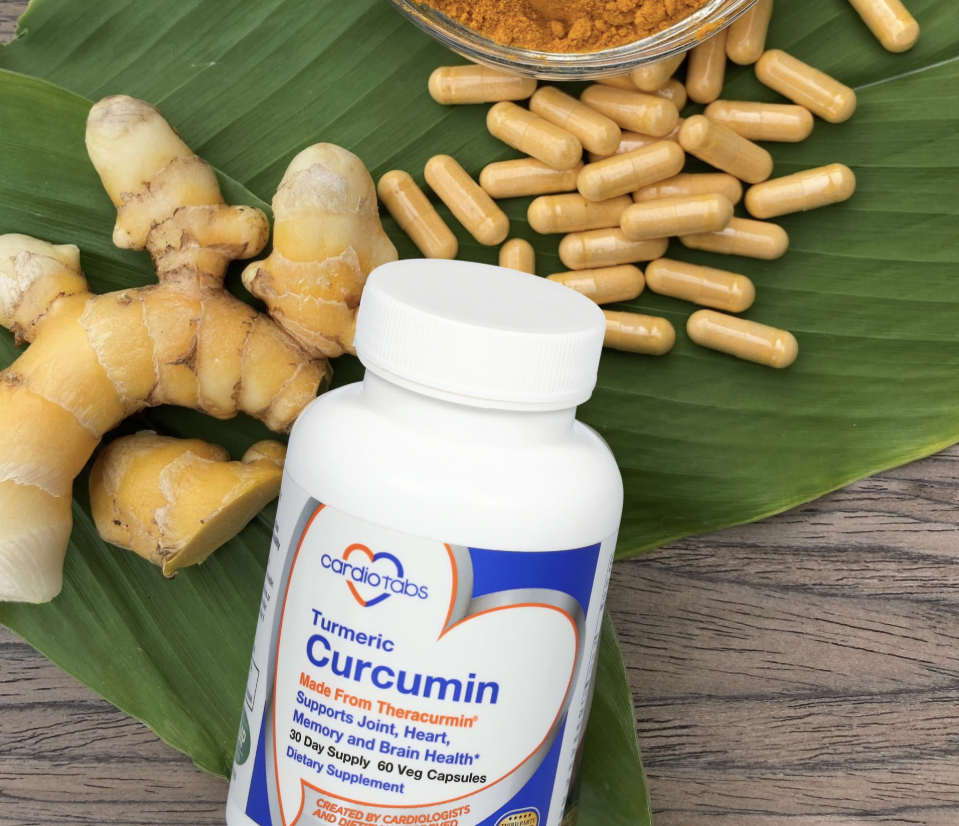
Curcumin
Recommended Brands: Thorne or CardioTabs
Curcumin, the primary active compound in turmeric, is one of the most researched natural supplements. As of 2026, clinical evidence has solidified several key health benefits, while also addressing the historical challenge of its poor absorption.
Powerful Anti-Inflammatory Effects
- Osteoarthritis: Clinical trials have shown that curcumin can be as effective as ibuprofen for reducing knee pain and improving function, often with fewer gastrointestinal side effects.
- Rheumatoid Arthritis: Recent reviews indicate significant reductions in joint swelling and morning stiffness when taken consistently.
Cognitive & Brain Health
- Global Cognition: A 2025 meta-analysis found that curcumin supplementation significantly improved global cognitive function, particularly in adults over age 60.
- Optimal Dosing for Brain Health: The most potent effects on cognition were observed at a dose of 0.8 g/day for a duration of at least 24 weeks.
- Neurodegenerative Support: Ongoing Phase 1 & 2 clinical trials in 2026 are specifically investigating curcumin’s ability to bind to amyloid-beta proteins, which are associated with Alzheimer’s disease.
Cardiovascular & Metabolic Health
- Lipid Management: It can significantly lower LDL (bad) cholesterol and triglycerides in patients with hyperlipidemia.
- Blood Sugar: Studies suggest it acts similarly to some antidiabetic agents by reducing insulin resistance.
-
- Enhanced Formulations: New patented supplements (like Cur18) now offer up to 39x higher bioavailability than standard 95% curcumin extracts.
- The Piperine Hack: Standard supplements often include piperine (black pepper extract), which increases curcumin absorption by 2,000%.
Typical Clinical Dose: 500mg – 1,500mg daily
Typical Clinical Dose: Variable (often 1g+)
Typical Clinical Dose: 800mg daily (24+ weeks)
Typical Clinical Dose: 500mg – 2g daily
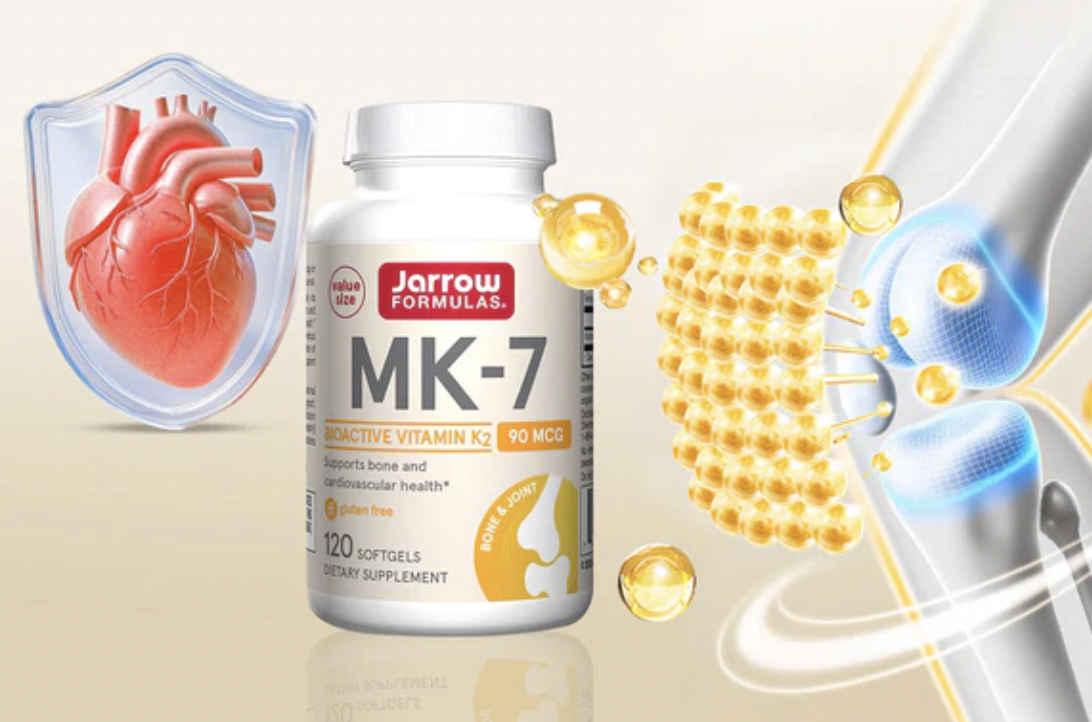
Vitamin K2, particularly in the form of MK-7 (Menaquinone-7), has gained significant attention for its role in directing calcium out of the soft tissues (like arteries) and into the bones. While Vitamin K1 is primarily used by the liver for blood clotting, K2 is utilized by the rest of the body for structural health.
Bone Density and Strength
- Fracture Prevention: Clinical studies have shown that Vitamin K2 can significantly reduce bone loss and lower the risk of fractures, especially in postmenopausal women.
- Synergy with Vitamin D: Without K2, the calcium absorbed by Vitamin D may not reach the bones efficiently.
Cardiovascular Health
- The Rotterdam Study: One of the most famous long-term studies found that high intake of Vitamin K2 was associated with a 50% reduction in arterial calcification and a 50% lower risk of cardiovascular death.
- MK-7 Advantage: MK-7 has a much longer “half-life” in the body than MK-4, meaning it stays in your bloodstream longer and provides more consistent protection for your heart.
Dental Health
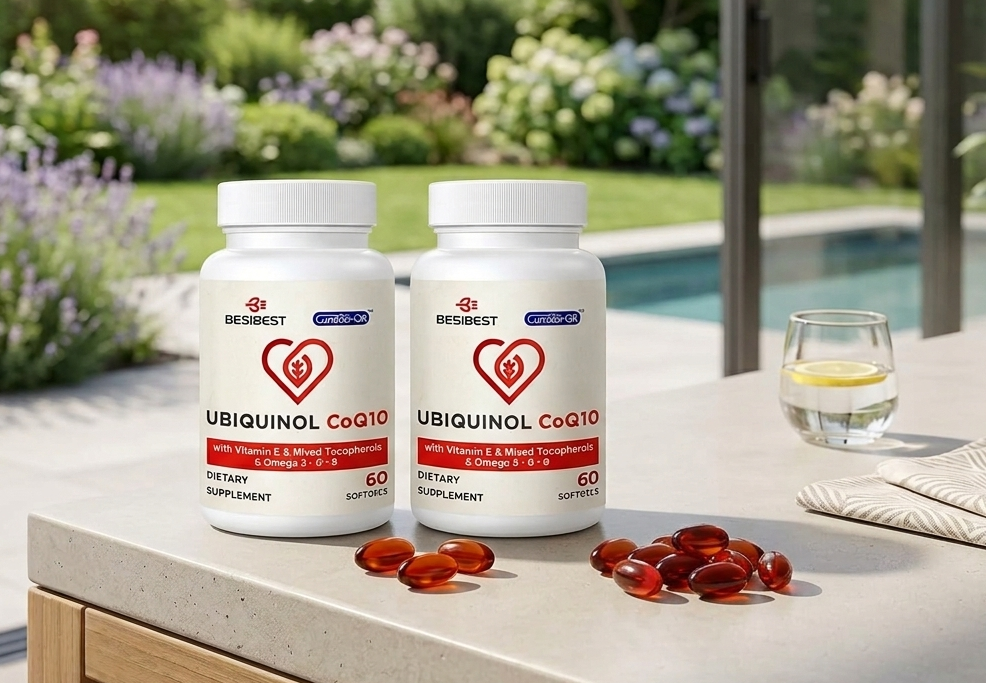
Coenzyme Q10 (CoQ10) is a naturally occurring antioxidant found in every cell of your body, with the highest concentrations in the heart, liver, kidneys, and pancreas. It plays a critical role in the mitochondria—the “power plants” of your cells—where it helps generate energy in the form of ATP.
Cardiovascular Health & Heart Failure
- Heart Failure Support: Significant clinical trials, such as the Q-SYMBIO study, have shown that CoQ10 supplementation can improve symptoms and reduce the risk of dying from heart failure by up to 44%.
- Blood Pressure: While results are mixed, some studies suggest CoQ10 may help lower systolic blood pressure by improving endothelial function and vascular health.
Managing Statin-Induced Muscle Pain
- Pain Reduction: Meta-analyses suggest that supplementing with CoQ10 may reduce muscle pain, cramps, and tiredness associated with statin use.
Migraine Prevention
- Frequency & Duration: Regular supplementation may reduce the frequency of migraine attacks by roughly 30% and shorten the duration of headaches when they do occur, likely due to its role in maintaining mitochondrial function in brain cells.
Fertility Support
- Female Fertility: It may improve egg quality and potentially increase pregnancy rates in women undergoing fertility treatments.
- Male Fertility: Research indicates that CoQ10 can improve sperm concentration, density, and motility.
Best for:
Younger individuals or general wellness on
a budget.
Best for:
Older adults (40+) or those with specific health conditions, as it is more easily absorbed by the body.
Alpha Lipoic Acid (ALA) is a unique and potent antioxidant because it is both water-soluble and fat-soluble, allowing it to work in every cell and tissue in the body. While your body produces it naturally in small amounts, supplemental doses have been studied for several specific therapeutic effects.

Nerve Health & Diabetic Neuropathy
- Pain Reduction: Large-scale trials, such as the NATHAN 1 study, found that long-term supplementation with 600mg of ALA significantly reduced symptoms like burning, pain, numbness, and tingling.
- Nerve Regeneration: ALA acts as a “metabolic antioxidant,” improving blood flow to the nerves and protecting them from oxidative stress caused by high blood sugar.
Metabolic Health & Blood Sugar Control
- Insulin Sensitivity: Research published in Biomolecules (2023) suggests ALA can improve insulin sensitivity and lower fasting blood glucose levels by activating the AMPK pathway, which mimics the effects of exercise on the cells.
- Lipid Profile: It has been shown to moderately lower LDL (bad) cholesterol and triglycerides, supporting overall cardiovascular health.
Cognitive Protection
- Memory Support: Early studies indicate that ALA may slow the progression of memory loss in people with Alzheimer’s by neutralizing free radicals and reducing inflammation in the brain.
- Glutathione Boost: ALA helps “recycle” other antioxidants like Vitamin C and E, and it increases levels of glutathione, the body’s master antioxidant, which is often depleted in neurodegenerative conditions.
Weight Management
- Appetite Suppression: It may inhibit the activity of AMP-activated protein kinase in the hypothalamus, which can reduce feelings of hunger.
- Clinical Results: Meta-analyses show that people taking ALA lose an average of 1.27 kg (2.8 lbs) more than those taking a placebo over a 12-week period.
A B-Complex supplement typically combines all eight B vitamins into one pill. Because these vitamins are water-soluble, your body doesn’t store them for long, making daily intake through diet or supplementation necessary for several systemic functions.

Energy Production & Metabolism
- B1 (Thiamine), B2 (Riboflavin), and B3 (Niacin): These are the primary drivers for converting carbohydrates, fats, and proteins into fuel.
- B5 (Pantothenic Acid): Crucial for the synthesis of coenzyme A, which is involved in fatty acid metabolism.
Brain Function & Mood Support
- Neurotransmitter Synthesis: B6, B9 (Folate), and B12 are required to produce chemicals like serotonin and dopamine, which regulate mood and stress.
- B12 & Cognitive Decline: Research indicates that maintaining healthy B12 levels is essential for preventing brain atrophy and cognitive decline in older adults.
- Mental Fatigue: Supplementation has been shown to reduce mental fatigue and improve performance on cognitive tasks in healthy individuals.
Red Blood Cell Formation
- Folate (B9) and B12: These two vitamins work together to help the body produce functional red blood cells. A deficiency in either can lead to megaloblastic anemia, characterized by fatigue and weakness.
Cardiovascular Health
B2 (Riboflavin)
B3 (Niacin)
B5 (Pantothenic Acid)
B6 (Pyridoxine)
B7 (Biotin)
B9 (Folate)
B12 (Cobalamin)
Antioxidant; helps with energy production and eye health.
DNA repair; supports digestion and skin health.
Hormone and cholesterol production.
Brain development; immune function.
Essential for hair, skin, and nail health; carbohydrate metabolism.
Critical for cell growth and DNA formation.
Nerve tissue health; brain function; red blood cell production.
Taurine is an essential amino acid concentrated in the heart, brain, eyes, and muscles. Unlike most amino acids, it is not used to build proteins but instead functions as a potent antioxidant, osmoregulator, and neuromodulator.
As of 2026, research has increasingly focused on its role in “reprogramming” metabolic flexibility and its potential as an anti-aging compound.

Cardiovascular Health
- Heart Failure Support: Supplementation helps restore taurine levels in deficient heart tissue, which improves contractile function and exercise tolerance.
- Blood Pressure Regulation: It acts as a natural antagonist to Angiotensin II, helping to lower blood pressure by reducing vascular resistance and promoting the excretion of excess sodium and water.
- Lipid Management: Recent studies indicate it can lower LDL cholesterol and triglycerides while reducing arterial stiffness
Metabolic Flexibility & Longevity
- Insulin Sensitivity: It mitigates oxidative stress and inflammation within fat cells, which improves glycemic control and may fight diabetes-induced cellular damage.
- Mitochondrial Health: Taurine is crucial for mitochondrial protein synthesis; deficiency leads to impaired energy metabolism and increased oxidative damage.
- Anti-Aging: Levels naturally drop as we age. Supplementation is being investigated for its ability to mitigate maladaptive cardiac remodeling associated with aging and obesity.
Exercise Performance & Recovery
- Muscle Fatigue: It regulates calcium levels within muscle cells, which is vital for efficient muscle contraction.
- Oxygen Utilization: Research shows it can increase VO2 max (oxygen uptake) and extend the “time to fatigue” during endurance activities.
- Recovery: Its anti-inflammatory properties help reduce post-workout soreness and muscle damage.
Neuroprotection & Cognitive Health
- Dementia Risk: Recent 2026 data suggests that lower blood plasma levels of taurine are associated with higher dementia risk.
- Neuroinflammation: It helps protect neural cells under stress and may combat the inflammation linked to Alzheimer’s disease.
Creatine is one of the most extensively researched supplements, and as of 2026, the scientific consensus highlights its value far beyond just “building muscle.” It is a nitrogenous organic acid that helps your cells rapidly regenerate ATP (adenosine triphosphate), the primary energy currency for both your muscles and your brain.

Muscle & Athletic Performance
- Strength and Power: Consistently proven to increase lean muscle mass, strength, and power output when combined with resistance training.
- Training Capacity: By accelerating ATP regeneration between sets, it allows you to maintain high-quality performance later into your workout.
- Recovery and Injury Prevention: It may reduce dehydration and muscle cramping, and it is increasingly studied for its role in rehabilitating muscle and ligament injuries.
Cognitive and Brain Health
- Mental Performance: Supplementation can improve working memory and processing speed, particularly in tasks that are mentally demanding or performed during periods of sleep deprivation.
- Neuroprotection: Emerging research suggests potential benefits for recovering from concussions and traumatic brain injuries (TBI) by improving brain bioenergetics.
- Mental Health: Some studies show it may act as a helpful adjunct treatment for depression, specifically when used alongside standard treatments.
Healthy Aging
- Sarcopenia: It helps prevent or slow the loss of muscle mass that naturally occurs with aging.
- Bone Health: When paired with resistance exercise, it may help maintain bone mineral density.
- Metabolic Health: Preliminary evidence suggests it may assist with blood sugar regulation and reducing liver fat accumulation.
Duration: Long-term (no “cycling” needed).
Duration: 5-7 days (to saturate muscles faster)
Duration: Higher need as plant diets have little creatine
It is considered safe for long-term use (up to 5 years or more) in healthy individuals.
Side Effects
The most common effect is mild water retention within the muscle cells (making muscles look “full”). High doses on an empty stomach may cause minor digestive upset.
Creatine dissolves more easily in warm liquids like tea or warm water and can be taken at any time of day, as its benefits come from cumulative storage rather than an immediate “hit.”
Vitamin C (ascorbic acid) is perhaps the most famous essential nutrient. While most people associate it with the common cold, its role as a powerful antioxidant and enzymatic cofactor means it impacts everything from skin health to cardiovascular protection.
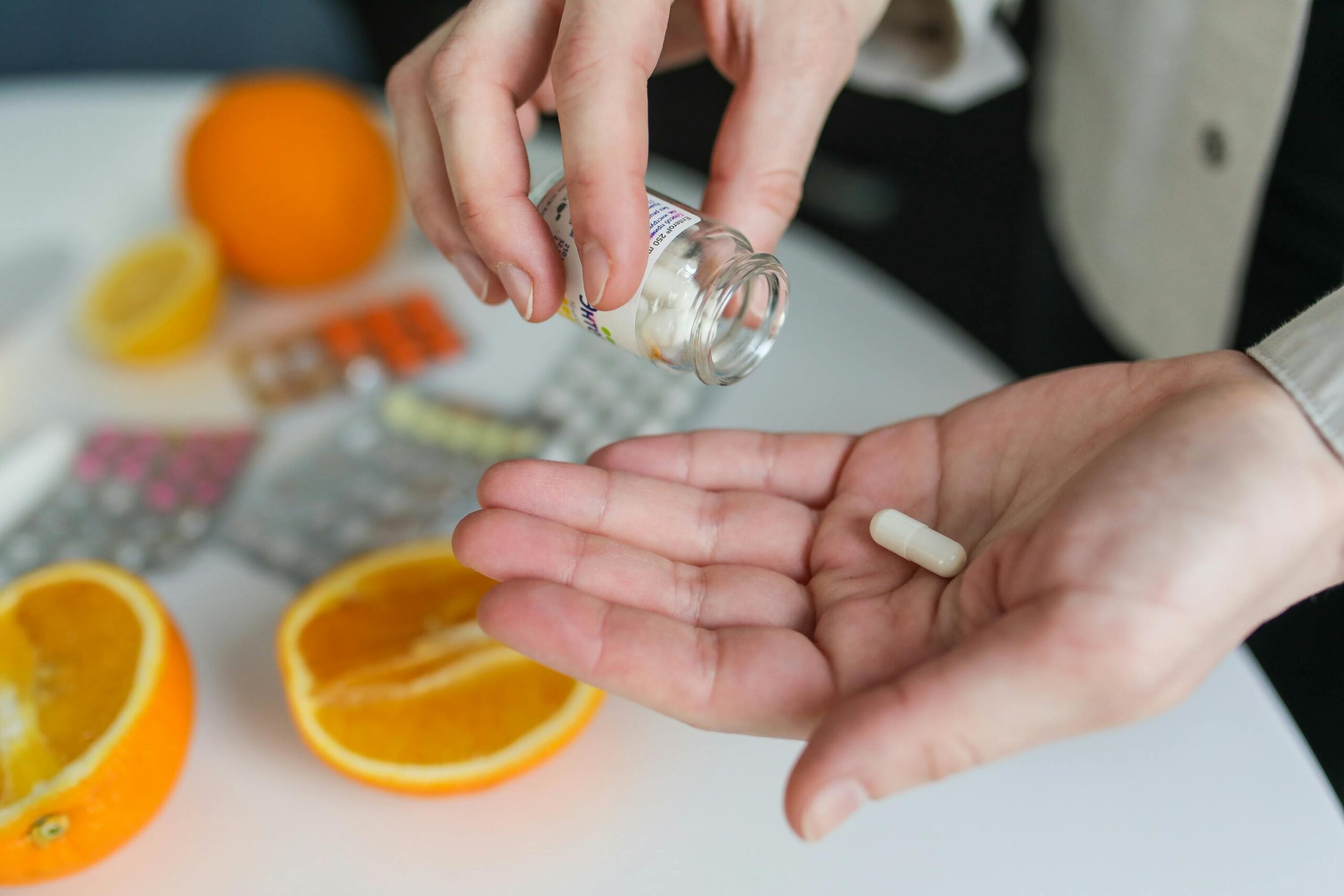
Immune System Support
- White Blood Cell Function: It helps stimulate the production of white blood cells (lymphocytes and phagocytes), which help protect the body against infection.
- The Common Cold: While it won’t necessarily prevent you from catching a cold, regular supplementation has been shown to reduce the duration and severity of the illness by about 8% in adults and 14% in children.
Skin Health and Collagen Synthesis
- Wound Healing: It is essential for the repair of tissues in all parts of your body.
- Anti-Aging: As an antioxidant, it protects the skin from oxidative stress caused by UV exposure and pollution. Studies show that adequate intake can improve skin elasticity and reduce wrinkling.
Cardiovascular and Blood Pressure Support
- Blood Pressure: Clinical trials have found that Vitamin C supplements can help lower systolic and diastolic blood pressure in adults with hypertension by relaxing the blood vessels.
- Endothelial Function: It improves the health of the endothelium (the lining of the blood vessels), which is a key factor in preventing atherosclerosis.
Iron Absorption
- Anemia Prevention: Consuming 100mg of Vitamin C with a meal can improve iron absorption by 67%, making it a crucial supplement for vegetarians or those prone to iron deficiency.
Best For: General supplementation for healthy individuals.
Best For:Individuals with sensitive stomachsor acid reflux.
Best For: Maximum absorption; bypasses some of the digestive barriers.
While multivitamin supplements focus on organic compounds, multimineral supplements provide essential inorganic elements that your body cannot produce on its own. These minerals act as catalysts for enzymes, structural building blocks for bones, and regulators of nerve and muscle function.
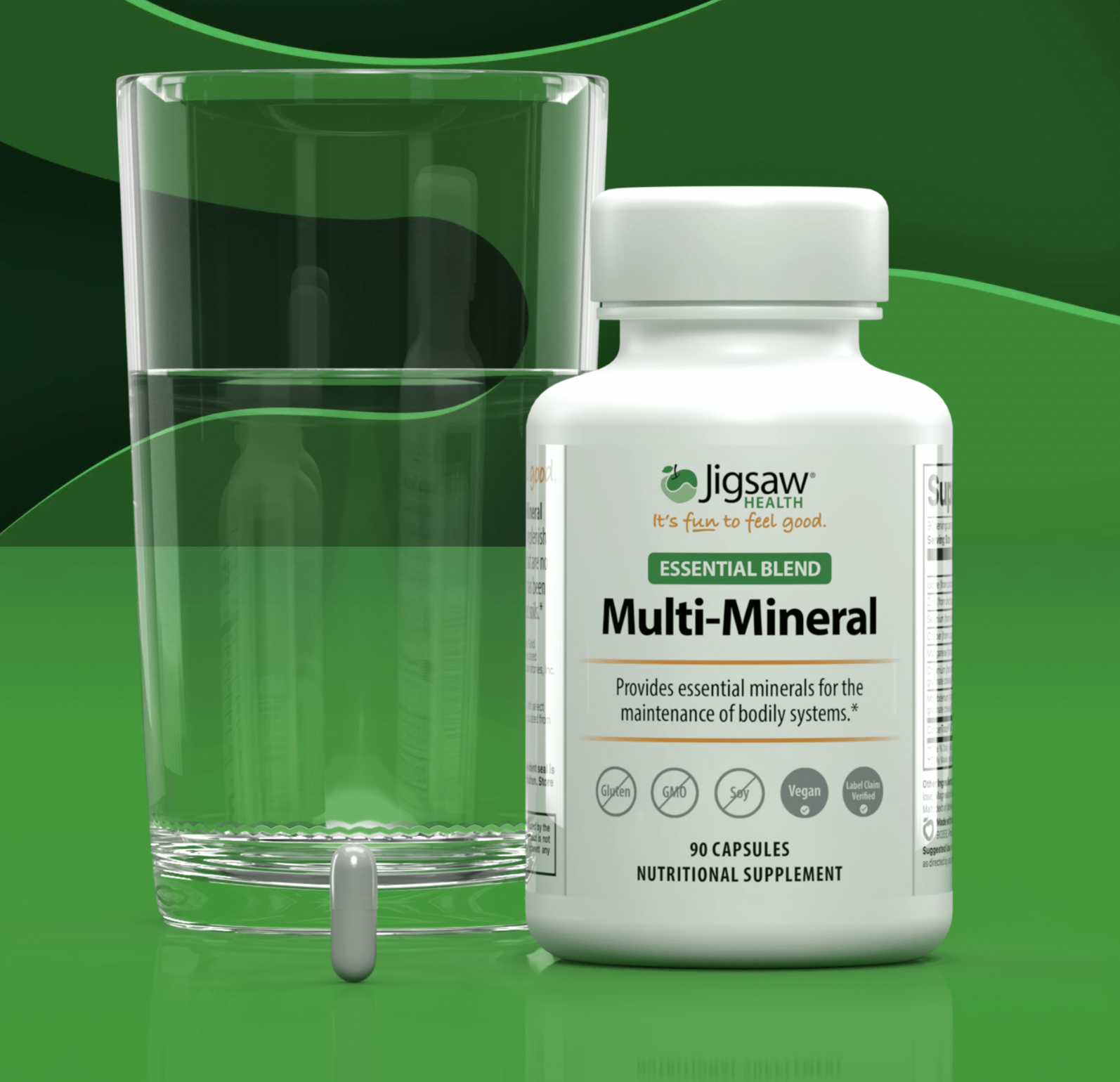
Bone Health and Structural Integrity
- Calcium and Magnesium: These two work in tandem; while calcium provides the structure, magnesium is required to convert Vitamin D into its active form, which then triggers calcium absorption.
- Trace Minerals: Minerals like Manganese, Zinc, and Copper are essential cofactors for the enzymes that build the bone matrix.
Cardiovascular and Muscle Function
- Potassium and Magnesium: These are critical for maintaining a normal heart rhythm and healthy blood pressure. Magnesium, in particular, helps blood vessels relax.
- Zinc: Plays a role in maintaining the integrity of the vascular system and supporting heart muscle health.
Metabolic and Hormonal Balance
- Chromium: Enhances the action of insulin, which is vital for regulating blood sugar levels.
- Selenium and Iodine: These are the primary minerals required for thyroid health. The thyroid uses iodine to produce hormones that control your entire metabolism, while selenium protects the thyroid from oxidative damage.
- Zinc: Crucial for testosterone production and immune signaling.
Immune and Antioxidant Support
- Superoxide Dismutase (SOD): This is one of the body’s most powerful antioxidant enzymes, and it requires Zinc, Copper, and Manganese to function.
- Immune Signaling: Zinc and Selenium are necessary for the development and activation of T-lymphocytes (white blood cells).
Daily Importance: High; most adults are chronically undersupplied.
Daily Importance: Essential for cellular repair
Daily Importance: Potent antioxidant support.
Daily Importance: Supports energy levels and insulin sensitivity.
Daily Importance: Vital for counteracting high sodium intake.